
Trips
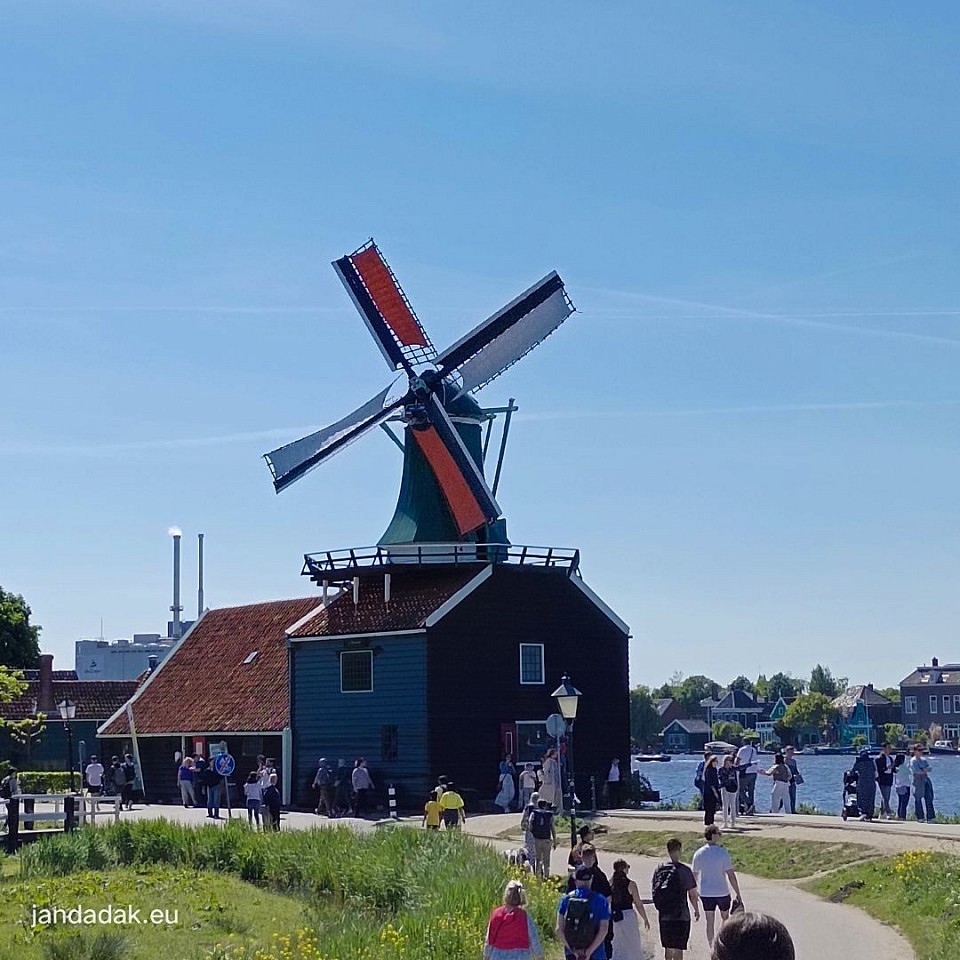
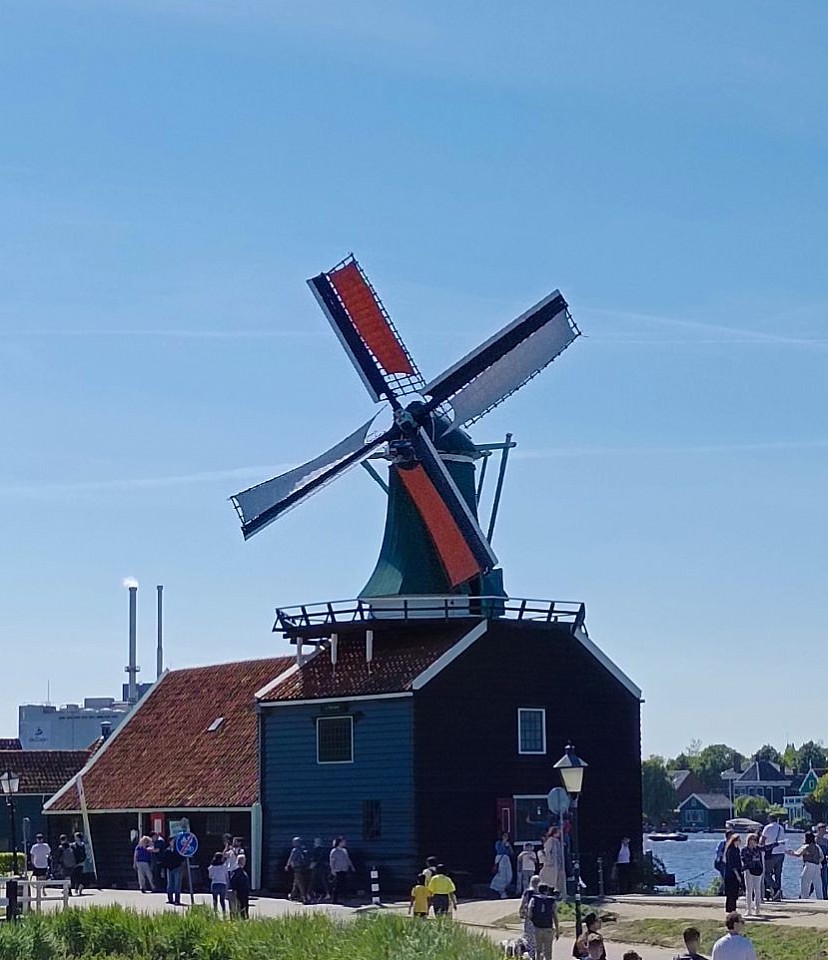
Windmills
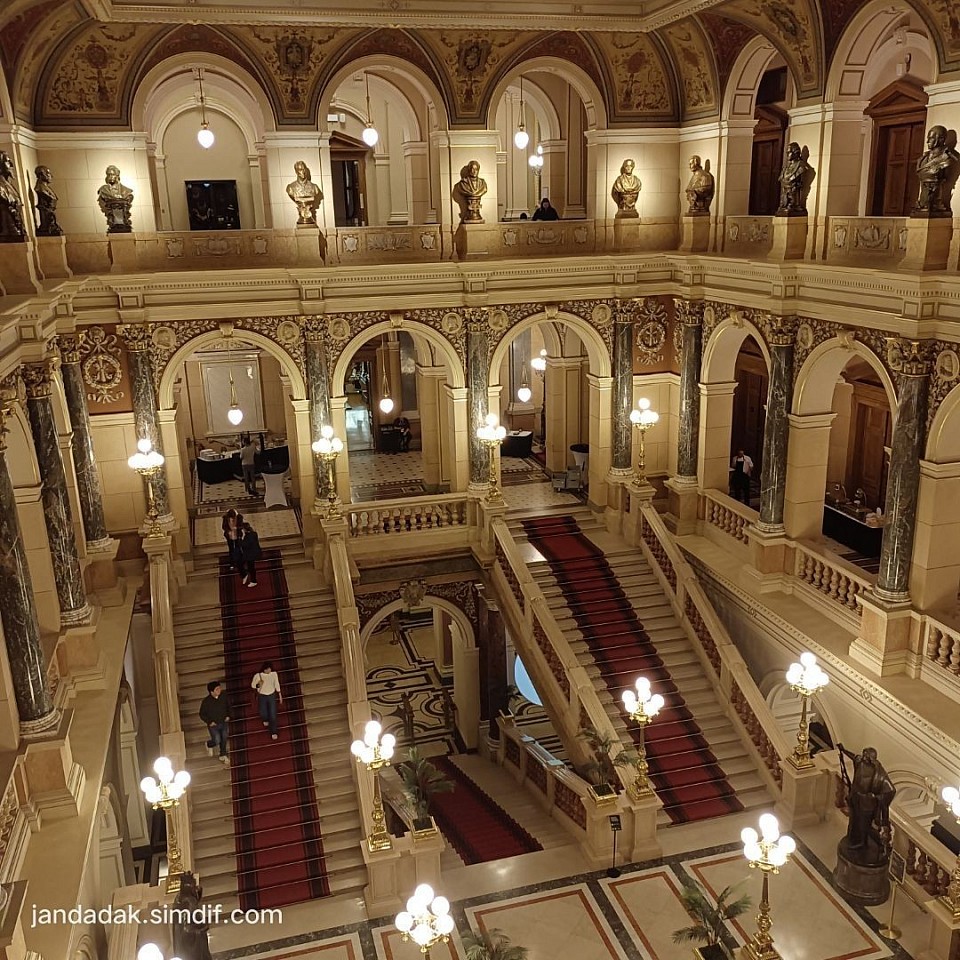
Rare picture of the inner gallery in National Museum
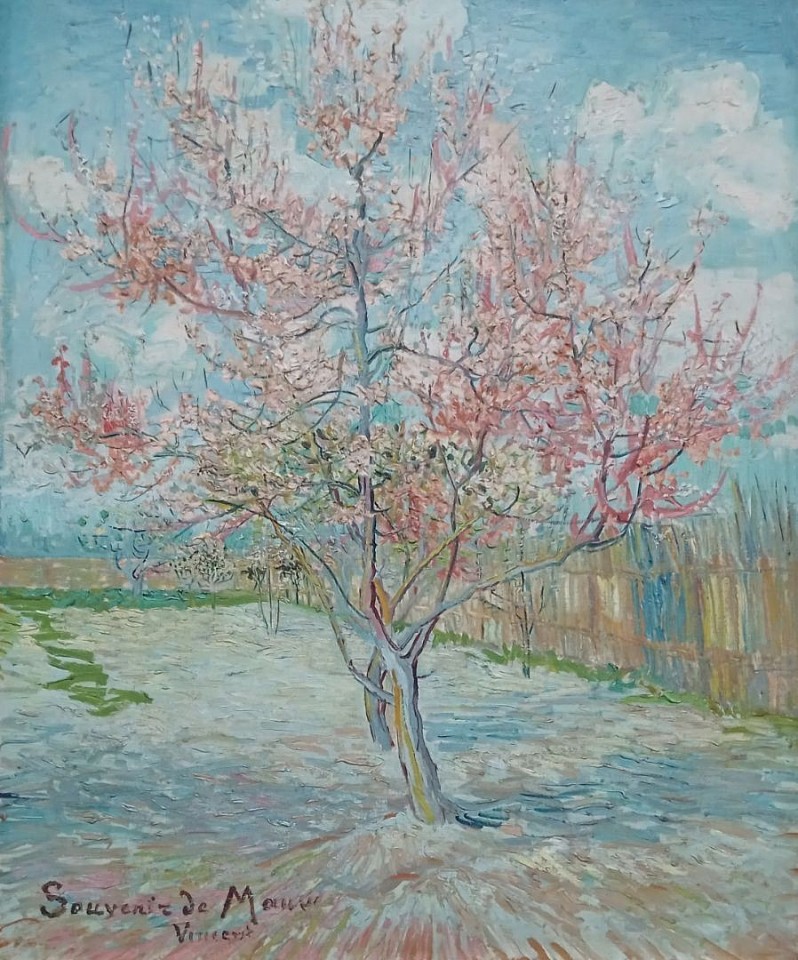
Souvenir de Mauwe, Vincent van Gogh
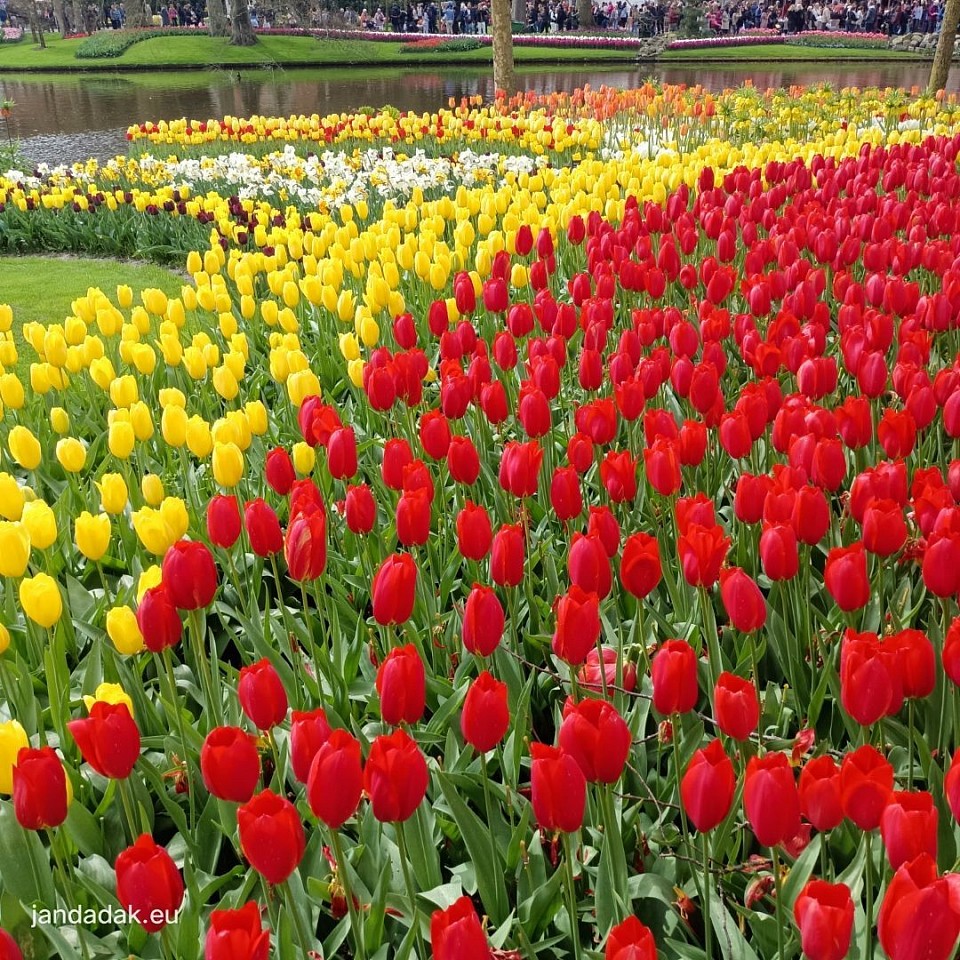
Trips all around
Places I've been to...
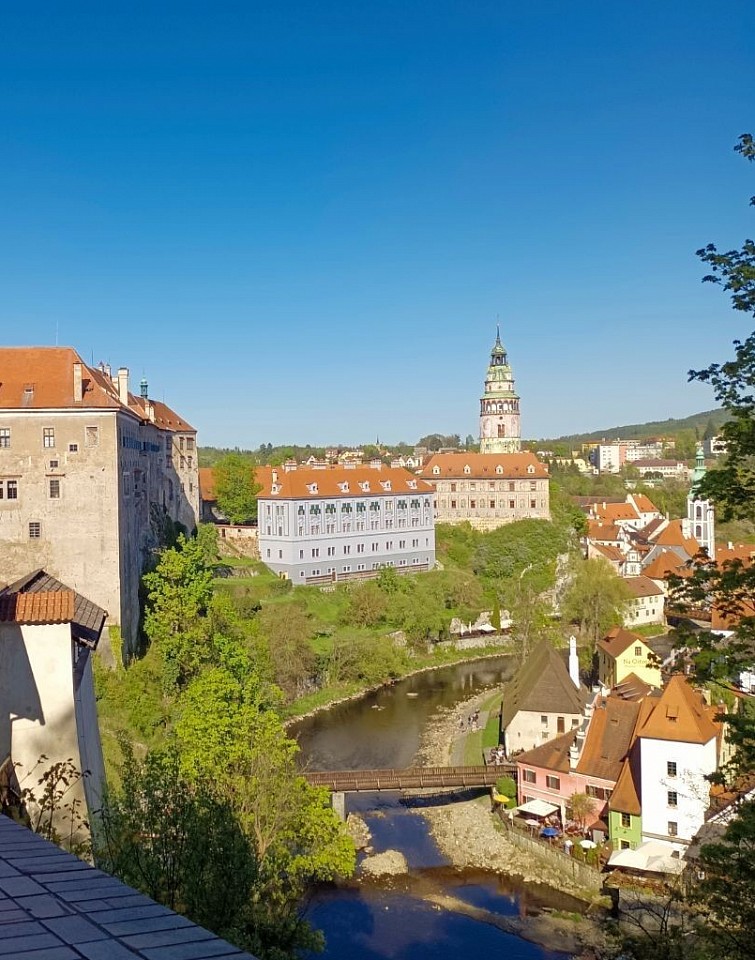
Český Krumlov
Český Krumlov (Czech pronunciation: [ˈtʃɛskiː ˈkrumlof] ⓘ; German: Krumau, Böhmisch Krumau) is a town in the South Bohemian Region of the Czech Republic. It has about 13,000 inhabitants. It is known as a tourist centre, which is among the most visited places in the country. The historic centre with the Český Krumlov Castle complex is protected by law as an urban monument reservation, and since 1992, it has been a designated UNESCO World Heritage Site because of its well-preserved Gothic, Renaissance and Baroque architecture.
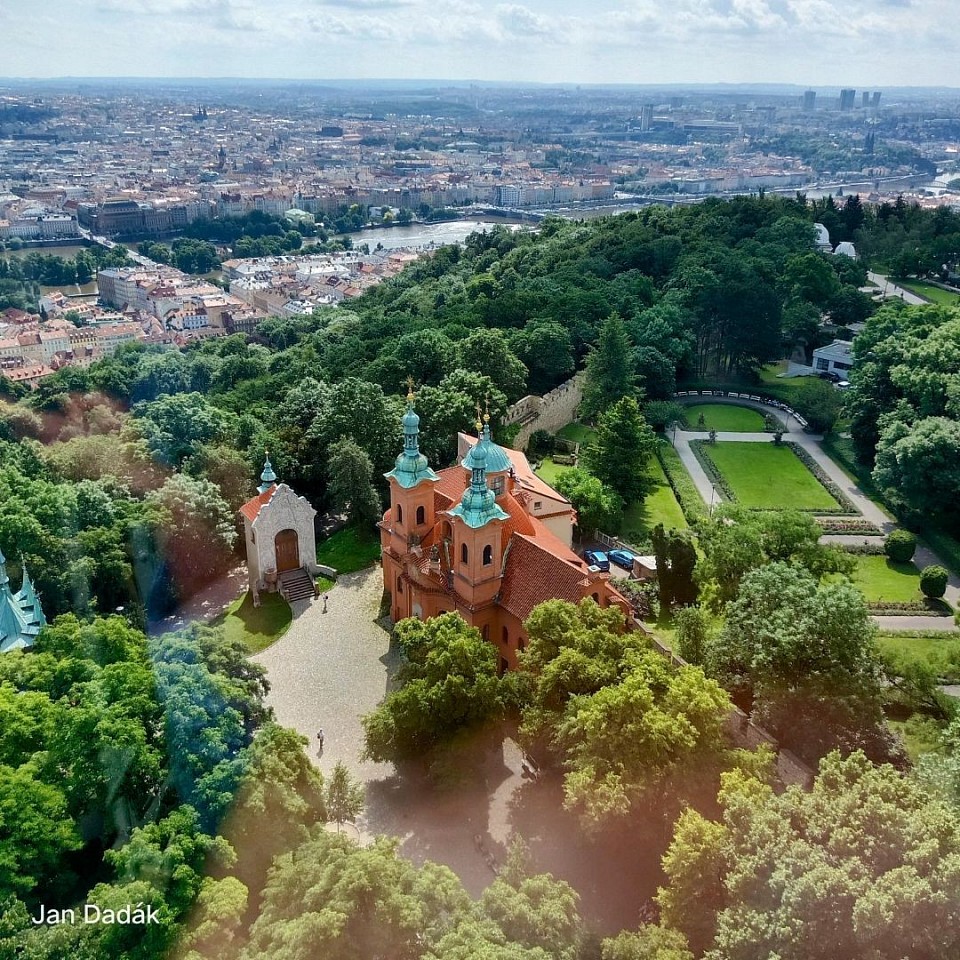
Petřín, Prague, CZ
Petřín Lookout Tower, one of the most prominent landmarks of Prague, was built as part of the Jubilee Exhibition in 1891 as a loose copy inspired by the Eiffel Tower (at a ratio of 1:5). It is 58.70 metres high, and 299 steps lead to its peak, which is at the same altitude as the real Eiffel Tower. The view from its top overlooks not only the whole city, but on a clear day you can see nearly all of Bohemia.
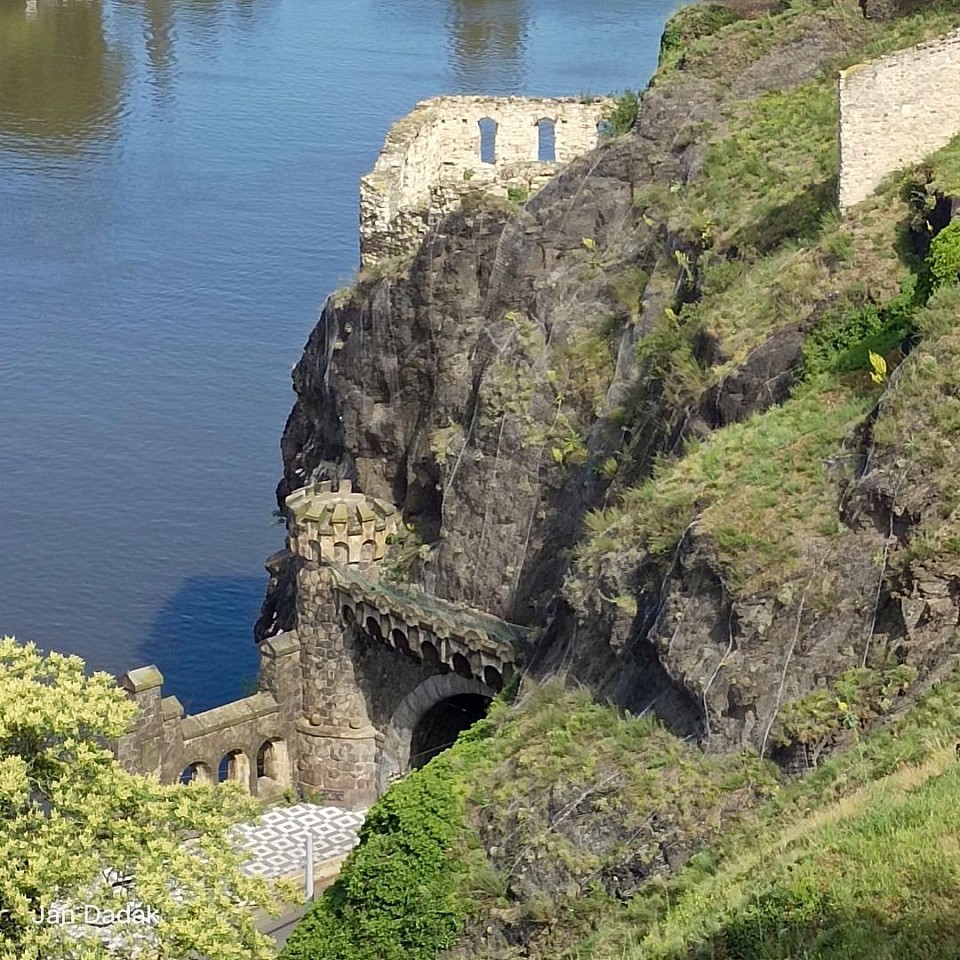
Vyšehrad
Vyšehrad (also spelled Wyschehrad , German: Prager Hochburg, English: "upper castle") is a historic fort in Prague, Czech Republic, just over 3 km southeast of Prague Castle, on the east bank of the Vltava River.[1] It was probably built in the 10th century. Inside the fort are the Basilica of St. Peter and St. Paul and the Vyšehrad Cemetery, containing the remains of many famous Czechs, such as Antonín Dvořák, Bedřich Smetana, Karel Čapek, and Alphonse Mucha. It also contains Prague's oldest Rotunda of St. Martin, from the 11th century.
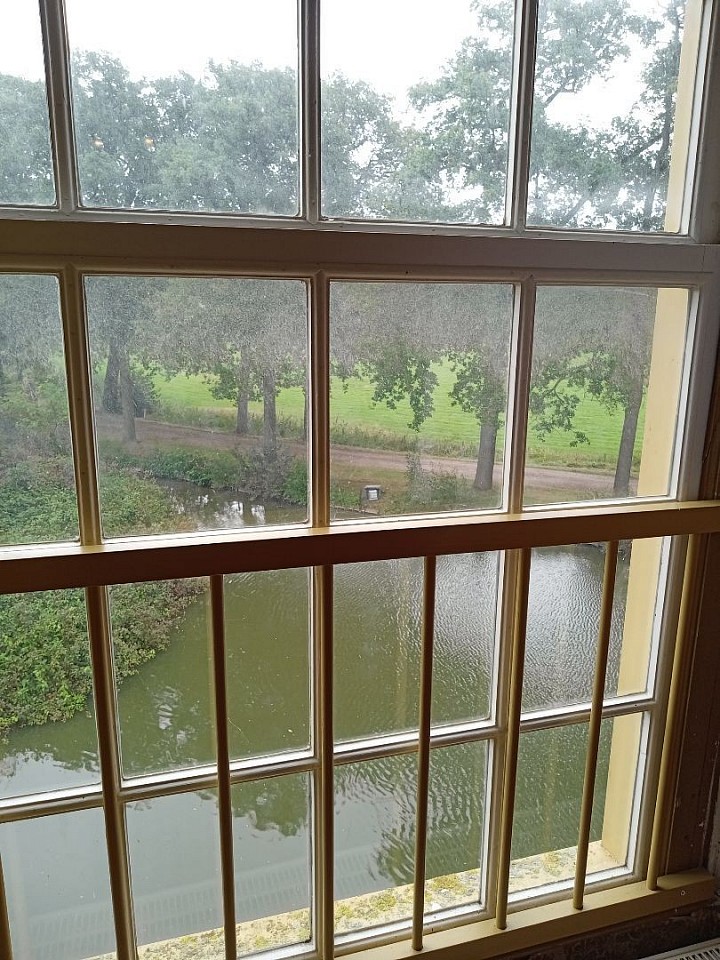
Windows to Netherlands
The Netherlands,[j] informally Holland, is a country in Northwestern Europe, with overseas territories in the Caribbean. It is the largest of the four constituent countries of the Kingdom of the Netherlands.[13]
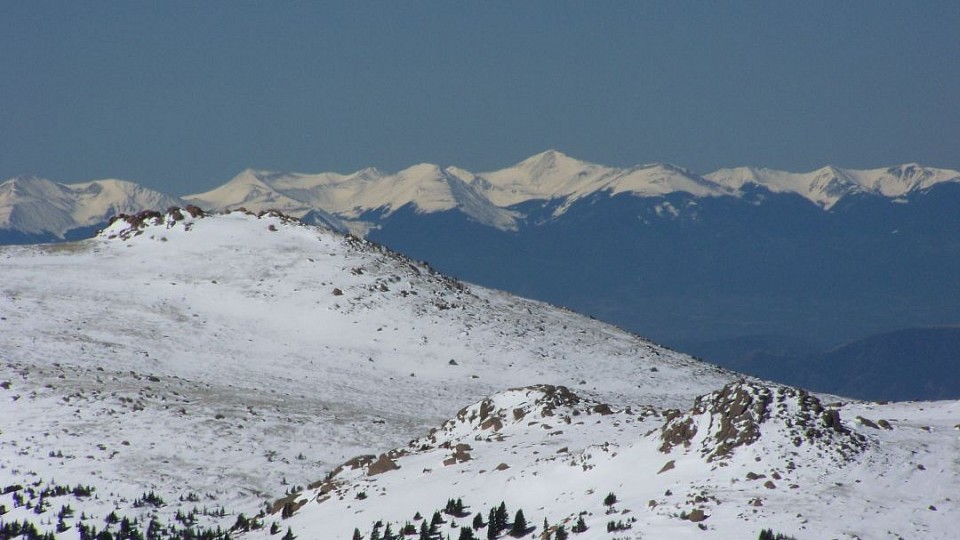
Continental divide
Mountains, as well as the northeastern portion of the Colorado Plateau and the western edge of the Great Plains. Colorado is the eighth most extensive and 21st most populous U.S. state. The United States Census Bureau estimated the population of Colorado at 5,877,610 as of July 1, 2023, a 1.80% increase since the 2020 United States census.[11]
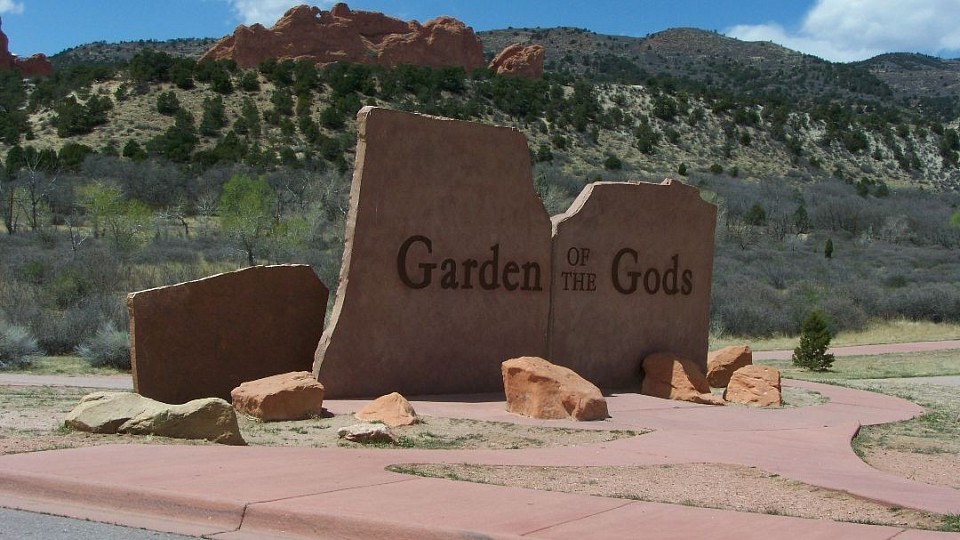
Garden of the Gods
Garden of the Gods (Arapaho: Ho3o’uu Niitko’usi’i) is a 1,341.3 acre public park located in Colorado Springs, Colorado, United States.[1] 862 acres (3.49 km2) of the park was designated a National Natural Landmark in 1971.[2]
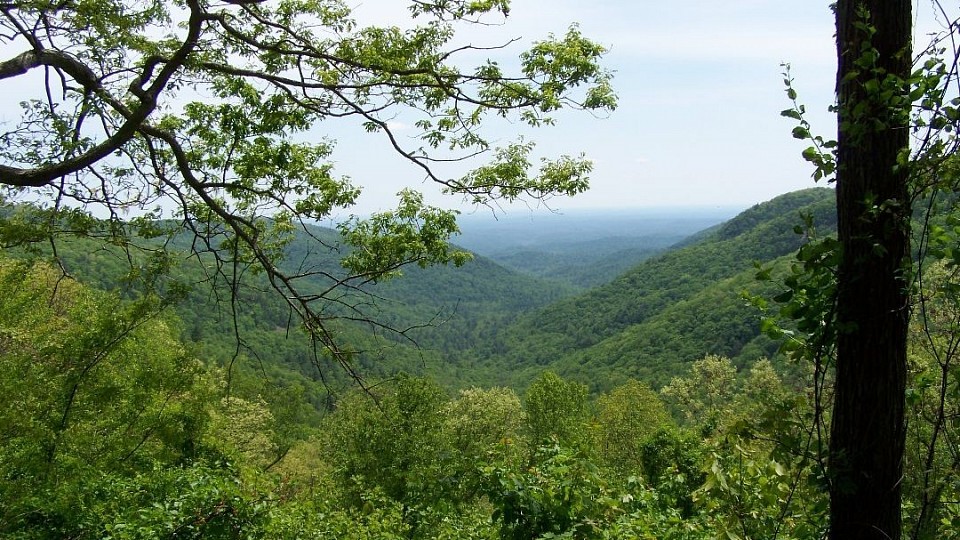
Appalachian Mountains, Georgia, USA
The Appalachian Mountains,[b] often called the Appalachians, are a mountain range in eastern to northeastern North America. The term "Appalachian" refers to several different regions associated with the mountain range, and its surrounding terrain. The general definition used is one followed by the United States Geological Survey and the Geological Survey of Canada to describe the respective countries' physiographic regions. The U.S. uses the term Appalachian Highlands and Canada uses the term Appalachian Uplands; the Appalachian Mountains are not synonymous with the Appalachian Plateau, which is one of the provinces of the Appalachian Highlands.
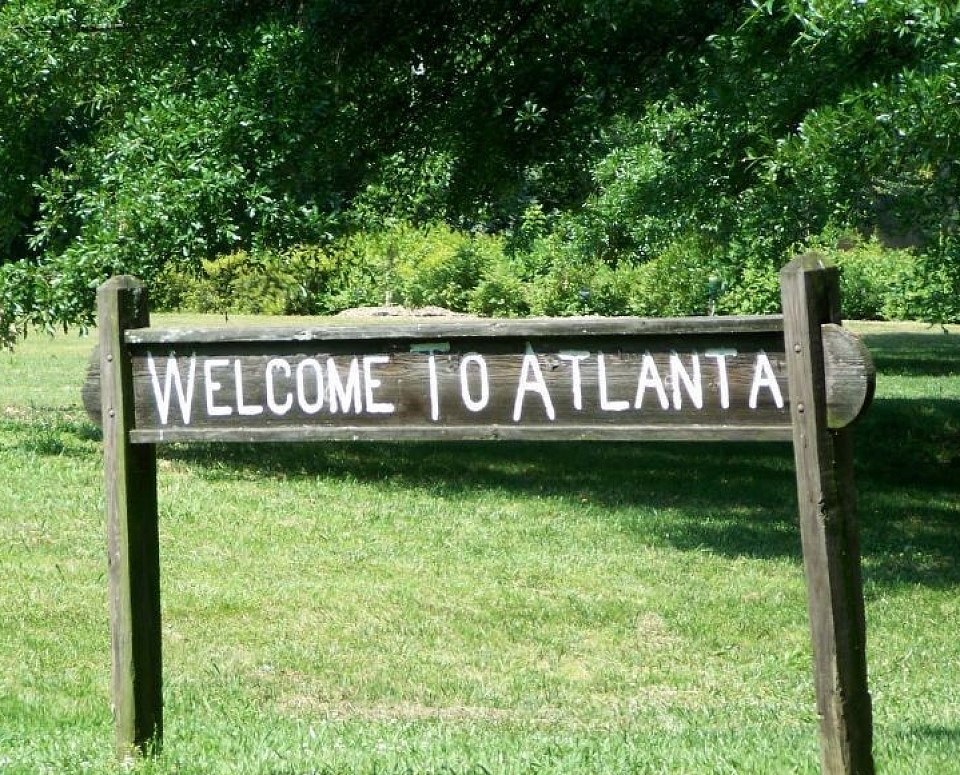
Atlanta, USA
Atlanta (/ætˈlæntə/ ⓘ at-LAN-tə)[14] is the capital and most populous city in the U.S. state of Georgia. It is the seat of Fulton County, and a portion of the city extends into neighboring DeKalb County. With a population of 510,823 living within the city limits, Atlanta is the eighth most populous city in the Southeast and 38th most populous city in the United States according to the 2020 U.S. census.[9]
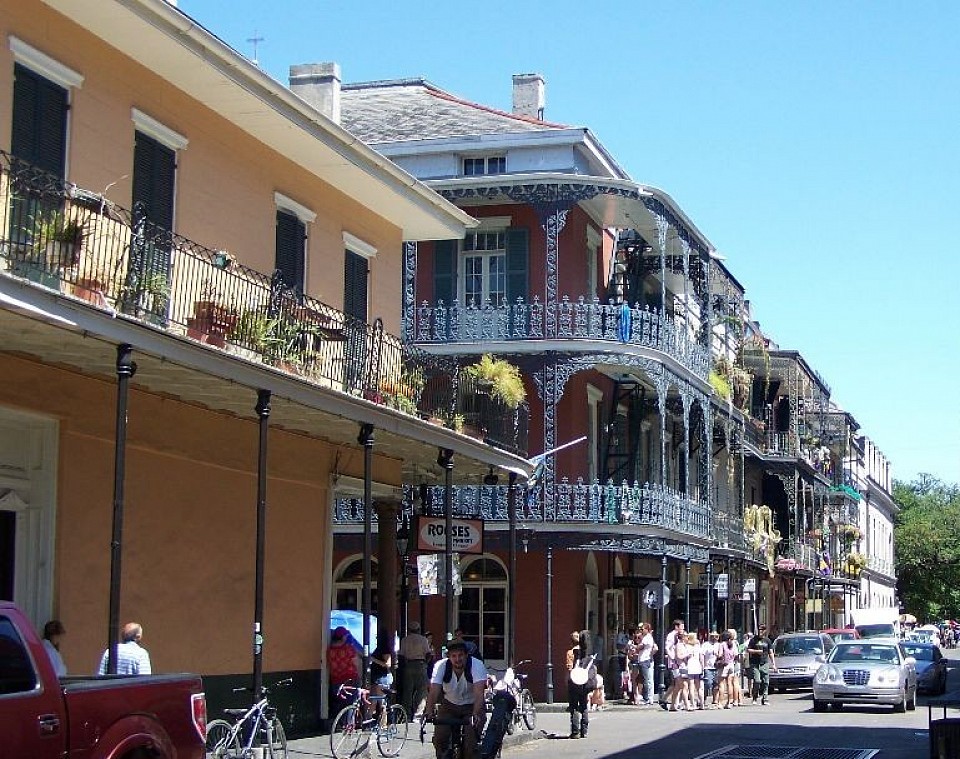
New Orleans, USA
New Orleans[a] (commonly known as NOLA or The Big Easy among other nicknames) is a consolidated city-parish located along the Mississippi River in the southeastern region of the U.S. state of Louisiana. With a population of 383,997 according to the 2020 U.S. census,[8] it is the most populous city in Louisiana and the French Louisiana region;[9] the third-most populous city in the Deep South; and the twelfth-most populous city in the southeastern United States. Serving as a major port, New Orleans is considered an economic and commercial hub for the broader Gulf Coast region of the United States.
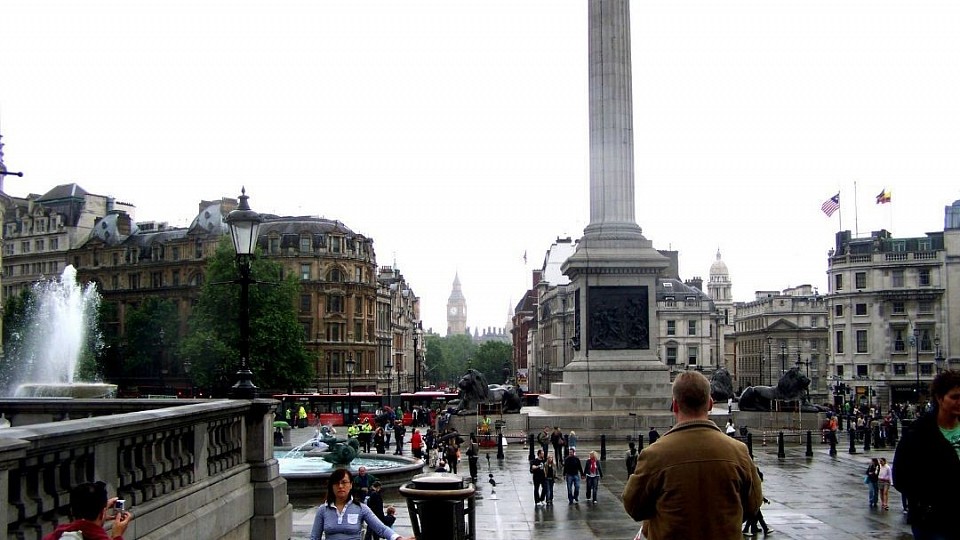
London
London[c] is the capital and largest city[d] of both England and the United Kingdom, with a population of 8,866,180 in 2022.[2] Its wider metropolitan area is the largest in Western Europe, with a population of 14.9 million.[7] London stands on the River Thames in southeast England, at the head of a 50-mile (80 km) tidal estuary down to the North Sea, and has been a major settlement for nearly 2,000 years.[8] Its ancient core and financial centre, the City of London, was founded by the Romans as Londinium and has retained its medieval boundaries.[e][9] The City of Westminster, to the west of the City of London, has been the centuries-long host of the national government and parliament. London grew rapidly in the 19th century, becoming the world's largest city at the time. Since the 19th century,[10][11] the name "London" has referred to the metropolis around the City of London, historically split between the counties of Middlesex, Essex, Surrey, Kent, and Hertfordshire,[12] which since 1965 has largely comprised the administrative area of Greater London, governed by 33 local authorities and the Greater London Authority.[f][13]